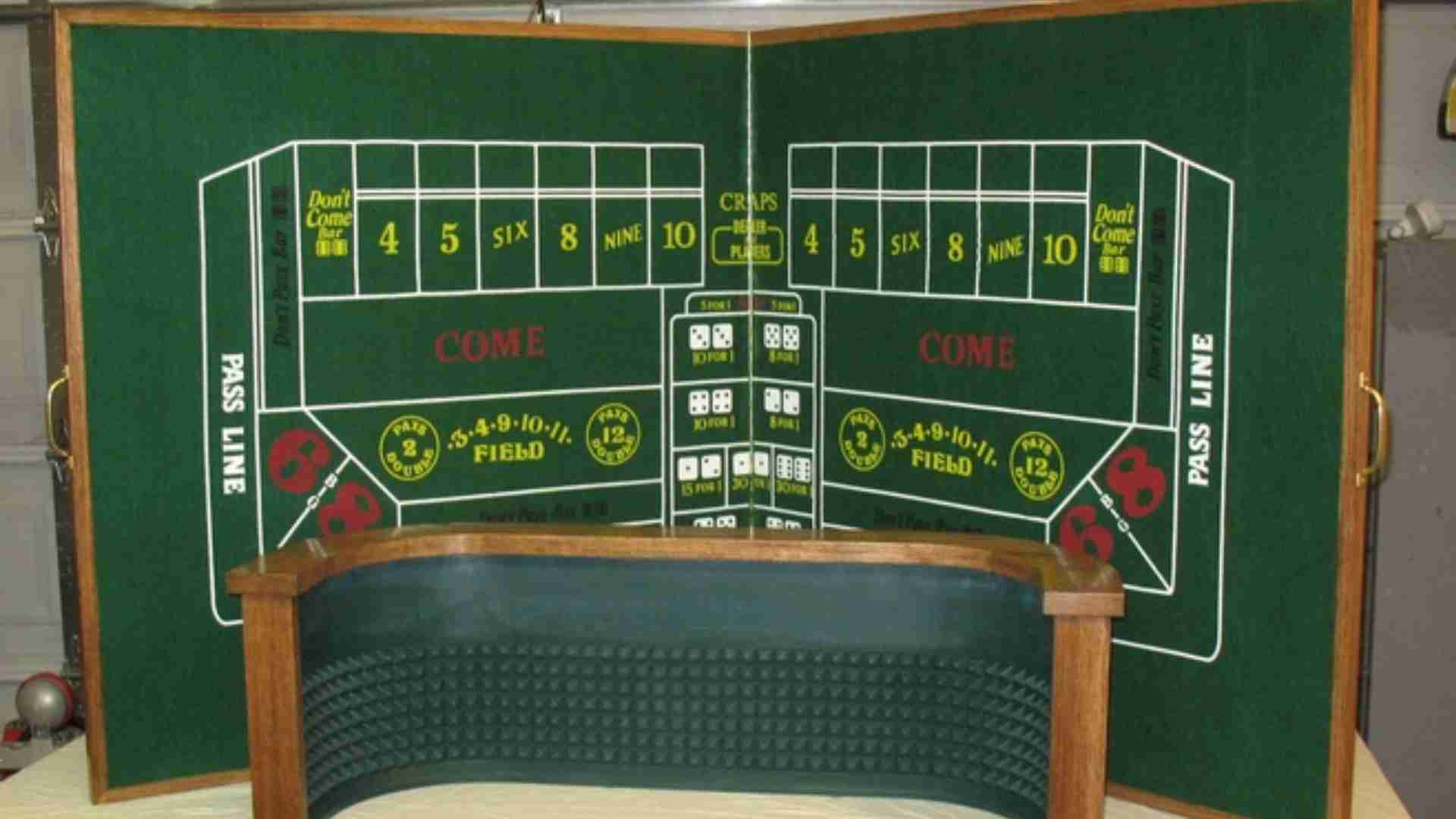
While traditional tabletop entertainment often relies on fixed rules and predictable patterns, a unique subset of table games actively challenges players to break the mold. These games go beyond simple calculation and rote memorization, requiring participants to formulate entirely unexpected solutions to dynamic problems. By encouraging players to think outside the box, these interactive experiences serve as highly engaging mental gyms for developing creative intelligence.
The Shift from Rigid Logic to Adaptive Design
Many classic board games reward players who can memorize openings or calculate statistical probabilities with absolute precision. However, modern designer games are intentionally built with fluid mechanics that disrupt conventional strategies almost immediately. This shift forces players to constantly abandon established habits and devise creative workarounds on the fly.
By introducing elements of hidden information or rapidly changing board states, these titles ensure that no two sessions feel identical. As a result, players who rely solely on rigid plans often struggle against those who can rapidly adapt their tactics to changing environments.
How Asymmetric Roles Fuel Creative Solutions
One of the most effective ways tabletop games inspire original strategies is through asymmetric design, where each participant operates under entirely different rules or win conditions. When your opponent possesses completely different capabilities than you do, standard defensive playbooks become virtually useless. You are forced to thoroughly analyze their unique perspective while finding novel ways to leverage your own distinct advantages.
This dynamic encourages an incredible level of psychological depth and tactical experimentation throughout the session. If you are interested in exploring other modern platforms that challenge your strategic mindset, utilizing a reliable M88 Login alternatif can help you discover diverse tactical challenges. Engaging with these asymmetric systems ultimately teaches players to look at complex problems from multiple angles before making a final decision.
The Cognitive Benefits of Unconventional Gaming
Actively playing games that demand creative problem-solving has a profound impact on everyday cognitive flexibility. Studies suggest that tackling interactive, multi-layered challenges helps strengthen neural pathways associated with working memory and critical analysis. Instead of processing information linearly, gamers learn to connect seemingly unrelated variables to achieve their goals.
These mental exercises translate beautifully into real-world scenarios where resources are limited and situations change without warning. By regularly engaging in tabletop activities that reward innovation, players can improve their overall decision-making speed and confidence in professional settings.
Building Collaborative Innovation Through Shared Play
Cooperative table games take this creative challenge a step further by requiring a whole group to brainstorm solutions collectively. When a team must defeat a complex game system together, success relies heavily on synthesizing diverse viewpoints into a single cohesive strategy. This collaborative environment naturally reduces individual bias and fosters highly unique group decisions.
Through shared trial and error, players learn to appreciate alternative approaches they might never have considered on their own. This cooperative spirit proves that some of the most innovative ideas are born when diverse minds work together toward a common goal.