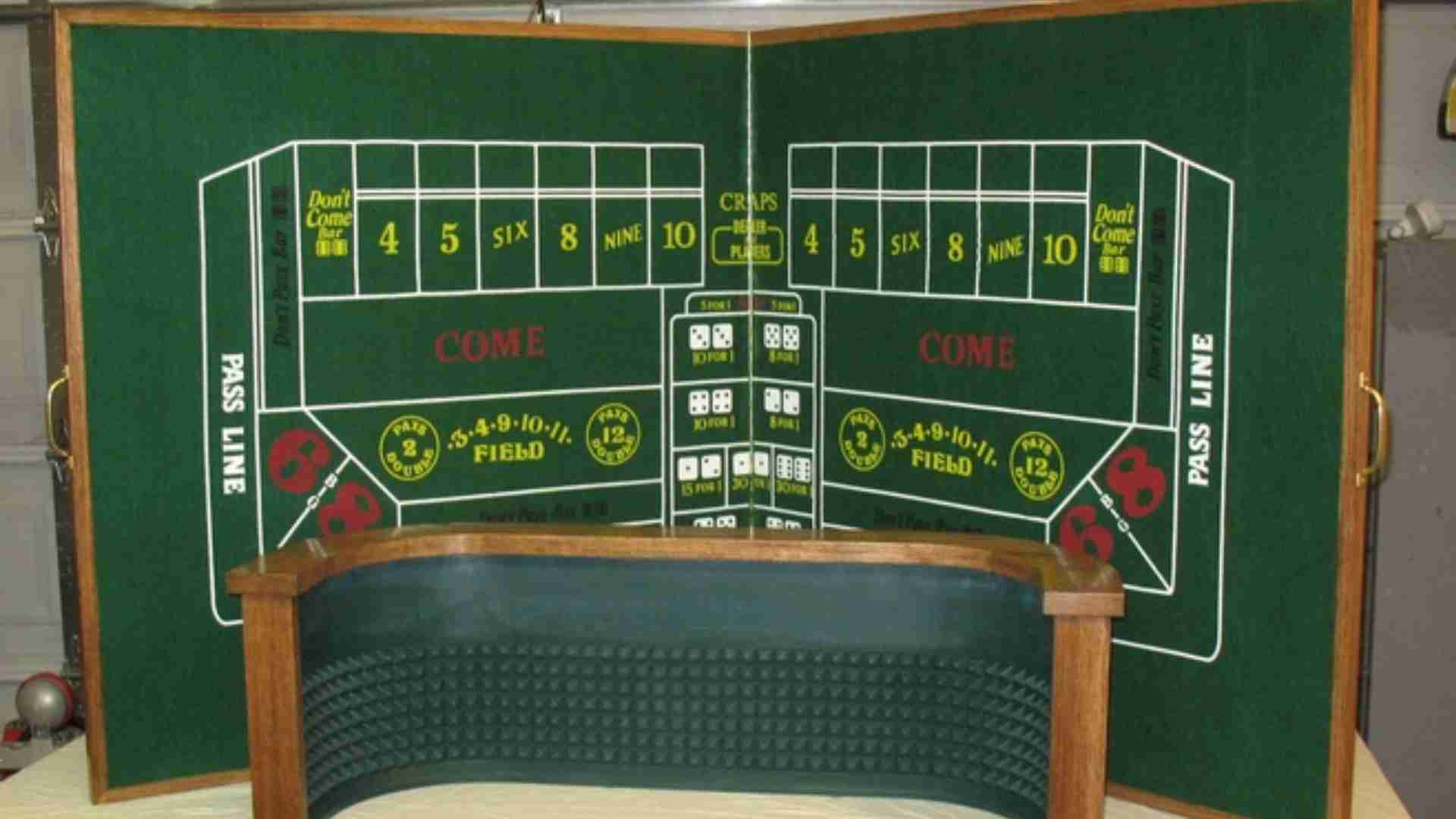
Risk perception is rarely static, as every decision made under uncertain conditions gradually shifts how an individual views potential danger and reward. When beginners encounter unpredictable choices, they often rely on immediate emotional reactions rather than structured calculations. Over time, repeated exposure transforms these raw emotional responses into refined, intuitive frameworks that guide future actions.
The Transition From Emotional Fear to Rational Evaluation
In the initial stages of encountering uncertainty, the human brain tends to exaggerate potential losses. Novices frequently interpret volatility as a threat, which leads to overly cautious behavior or sudden panic under pressure. As experience accumulates, individuals learn to decouple their immediate feelings from long-term strategic goals.
This cognitive shift allows seasoned decision-makers to view risk as a measurable variable rather than an unknown danger. By recognizing that temporary setbacks are natural components of dynamic environments, they remain composed when outcomes fluctuate unexpectedly. Over time, calculated risk becomes a routine aspect of strategic planning rather than a source of anxiety.
Pattern Recognition and the Reduction of Mental Load
Experienced individuals develop strong mental models that allow them to identify recurring patterns rapidly. Instead of evaluating every single variable from scratch, they cross-reference current situations with past scenarios stored in memory. This continuous background analysis significantly reduces cognitive fatigue during high-stakes moments.
Through ongoing engagement in competitive or strategic settings, such as checking platforms via www m88 com login to monitor real-time dynamics, participants hone their ability to assess shifting probabilities efficiently. Recognizing subtle indicators early prevents decision paralysis and enhances overall confidence. Consequently, familiarity transforms complex scenarios into manageable strategic steps.
Understanding the Difference Between Chance and Strategy
A crucial milestone in personal development is learning to distinguish between pure variance and genuine strategic skill. Inexperienced decision-makers often suffer from outcome bias, incorrectly judging a choice purely by its short-term result. Veteran strategists understand that sound choices can occasionally yield negative outcomes due to inherent randomness.
By accepting variance as an unavoidable reality, experienced individuals focus exclusively on controlling their execution quality. They measure long-term success through consistent adherence to sound principles rather than isolated victories or defeats. This mature perspective protects their confidence from being shattered by occasional, unpredictable losses.
Building Resilience Through Calculated Exposure
Resilience is not an innate trait, but a psychological capacity built through gradual, controlled exposure to challenging environments. Every time a person navigates a high-stakes choice and copes with its consequences, their tolerance for uncertainty expands. This expanded comfort zone allows them to take bigger, more calculated risks without experiencing emotional burnout.
Ultimately, experience does not eliminate risk, but it fundamentally alters how one responds to it. By transforming fear into structured analysis, individuals learn to leverage uncertainty as an opportunity for strategic growth. Embracing this continuous evolution ensures smarter choices across all areas of life.