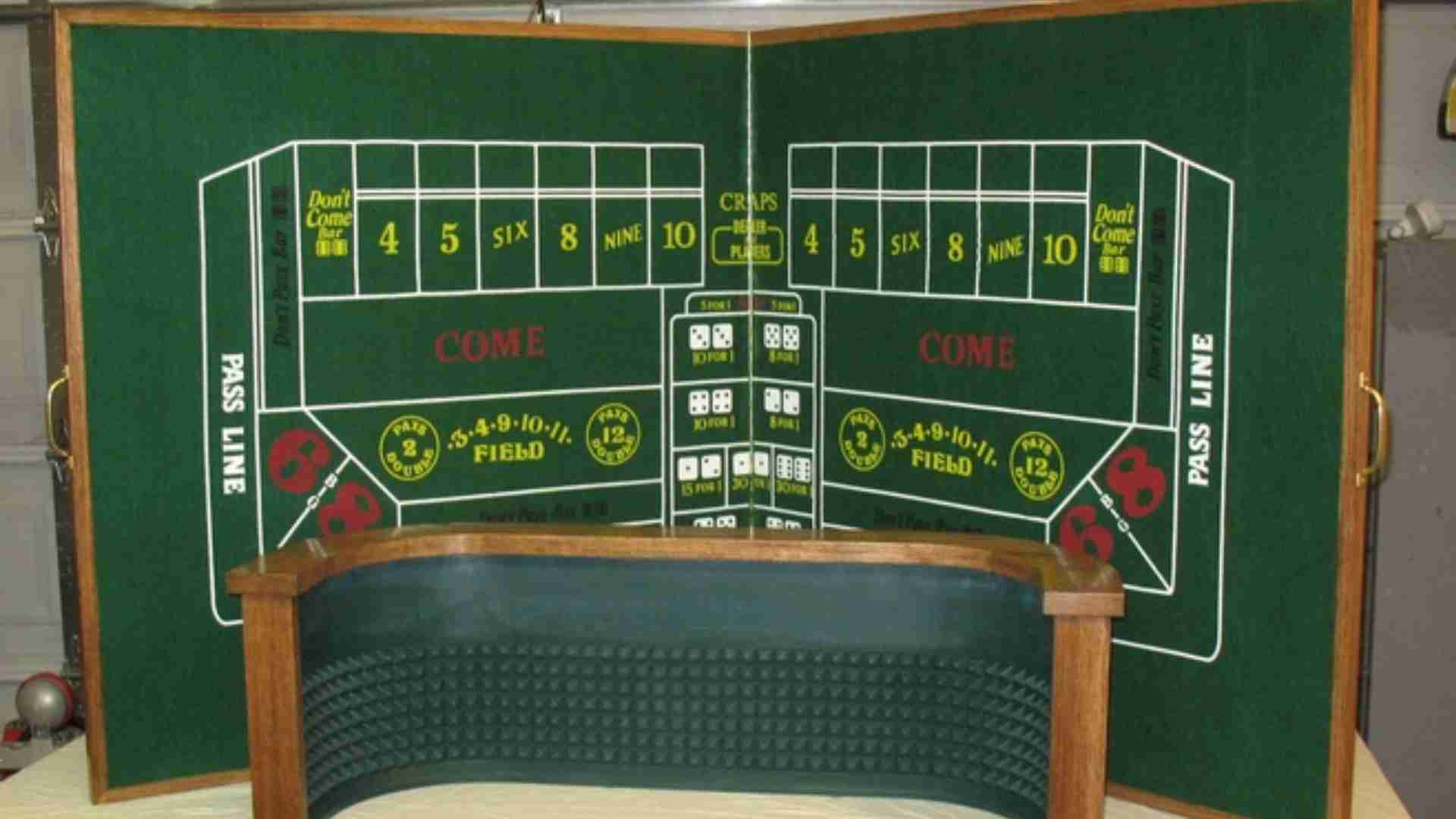
Sic Bo is a historic dice game that continues to captivate casino enthusiasts worldwide with its dynamic betting board and fast-paced action. Building a solid foundation in this traditional pastime requires a clear understanding of its core mechanics rather than relying entirely on random guesswork. By learning the fundamental principles early on, beginners can approach the table with confidence and enjoy a structured gaming experience.
Understanding the Three-Dice System
The entirety of the gameplay revolves around predicting the outcomes of a single roll involving three standard six-sided dice inside a sealed container. Players must place their wagers across the complex table layout before the dealer reveals the final combinations. Understanding that each roll represents a completely independent mathematical event is essential for long-term enjoyment.
Many newcomers mistakenly believe that past results can influence future rolls, leading to common cognitive biases regarding table streaks. In reality, the physical properties of the randomized dice ensure that every individual shake offers entirely independent outcomes. Recognizing this statistical reality helps participants maintain a realistic outlook and avoid emotional decisions during active play.
Mastering Low Variance Wagers
For individuals focusing on long-term sustainability, starting with the simplest and safest options on the board layout is highly recommended. The Small and Big propositions represent the ideal entry points for beginners because they carry the lowest inherent house advantage. A Small bet wins if the total sum falls between four and ten, while a Big bet covers totals from eleven to seventeen.
These even-money choices provide a highly stable probability framework for players who are still learning to navigate the busy geometric grid. Utilizing an established digital venue like the M88 Login alternatif can provide an excellent environment to observe these foundational mechanics in real-time. By sticking to these low-risk areas, beginners can easily conserve their bankrolls while gathering practical table experience.
Navigating High-Risk Propositions
Beyond the basic outermost bounds, the centralized table layout features a diverse array of specific combinations and total sum bets. These advanced wagering categories offer significantly higher payout structures but come accompanied by a much steeper casino advantage. Hitting a precise total like four or seventeen is mathematically difficult, reflecting its rare probability distribution on the board.
The riskiest options available on the grid are triple bets, which require all three dice to land on the exact same numerical value. While the potential financial rewards of these wagers are highly alluring, they can quickly deplete an unchecked budget within a few rounds. Balancing your strategy by avoiding these high-variance choices ensures a much steadier and more predictable session.
Implementing Disciplined Session Boundaries
Developing structured bankroll management is arguably the single most important habit for anyone looking to master this traditional game. Setting clear financial limits before joining a live or digital table prevents impulsive decision-making when facing consecutive losses. Dividing your total gaming capital into smaller units per round helps prolong your participation and enhances entertainment value.
Many experienced players also utilize risk-free simulation modes to familiarize themselves with the fast-paced table layout at their own personal pace. Taking the time to study the payout charts printed directly on the surface builds natural confidence over time. Ultimately, achieving true longevity at the dice table depends on patience, discipline, and a thorough appreciation of mathematical odds.